Top 5 Traffic Control Cabinet Features You Need to Know?
Traffic Control Cabinets play a crucial role in maintaining order on our roads. These cabinets house important components that help manage traffic signals and systems effectively. Understanding the essential features of these cabinets can significantly improve traffic management and safety.
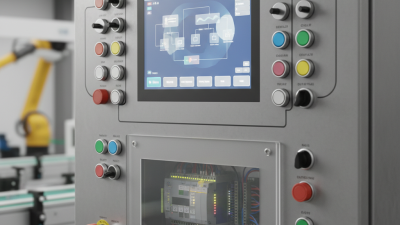
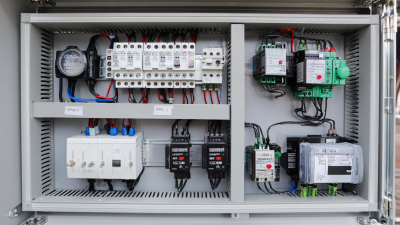
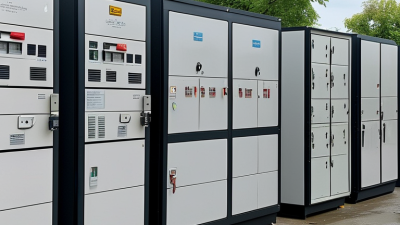
One key aspect of a Traffic Control Cabinet is its durability. It must withstand various weather conditions while protecting sensitive equipment. Another important feature is user accessibility. Technicians should easily access components for maintenance.
Additionally, modern cabinets emphasize energy efficiency. Sustainable designs can contribute to long-term savings. However, with advancements, there's a constant need for improvement. Many cabinets still lack optimal ventilation or trail behind in security features. Recognizing these deficiencies is vital for enhancing functionality and reliability in traffic control systems.
Essential Functions of Traffic Control Cabinets in Urban Settings
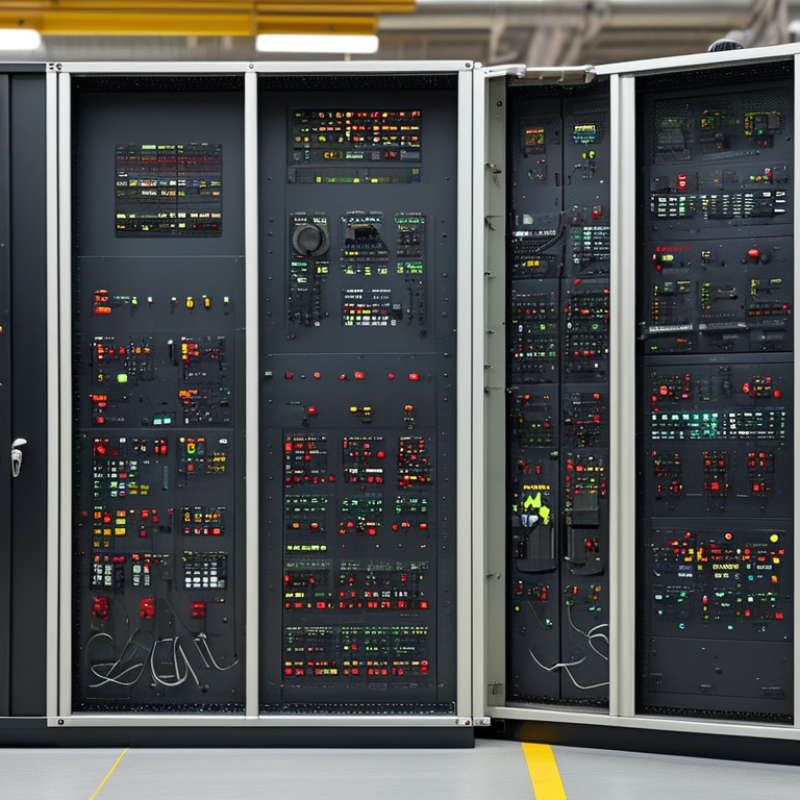
Traffic control cabinets play a crucial role in urban transportation systems. They house essential electronics that manage traffic flow, ensuring safety and efficiency on roads. These cabinets are often located at intersections, where they regulate signals and help prevent congestion. They protect sensitive equipment from weather and vandalism, maintaining functionality year-round.
In addition to housing traffic signal controllers, these cabinets can include communication devices. They often connect to central traffic management systems. This allows real-time data collection, which helps city planners make informed decisions. However, improper installation or maintenance can lead to failures. Regular checks are important to ensure they function properly.
The design of these cabinets must consider security and accessibility. They should be robust yet user-friendly for technicians. On the downside, not all traffic control cabinets are easy to access for repairs. This can lead to longer downtime and increased traffic disruption. Striking the right balance between protection and convenience is a continuous challenge for urban planners.
Key Features for Enhanced Durability and Weather Resistance
Traffic control cabinets play a critical role in modern urban infrastructure. Their durability and resistance to weather elements are vital. According to the International Society for Advanced Traffic Technologies, nearly 40% of traffic control cabinets suffer from weather-related damage within five years of installation. This statistic highlights the necessity for robust design features.
Material selection is essential. High-grade metals and advanced composite materials can significantly enhance a cabinet's lifespan. For example, using corrosion-resistant coatings can extend the life of traffic control cabinets by up to 50%. Additionally, sealed enclosures prevent moisture ingress, reducing the risk of electrical failure. However, not all cabinets meet these standards, leading to vulnerabilities. It's crucial for planners to assess materials and designs critically.
Ventilation systems are another key feature. Proper airflow minimizes temperature fluctuations inside the cabinet. An efficient vents design can lower internal temperatures by 15% in extreme conditions. Yet, poor designs can lead to condensation and component failure. Combining these features is vital for creating reliable traffic control cabinets. Careful consideration of weather resistance can significantly improve long-term performance and service continuity.
Top 5 Traffic Control Cabinet Features
Importance of Security Measures for Traffic Control Cabinets
Traffic control cabinets play a vital role in managing urban traffic systems. However, their security is often overlooked. According to a 2022 report by the Transportation Research Board, 70% of urban traffic disruptions stem from vandalism or tampering with these cabinets. This highlights the urgency in implementing stronger security measures to protect these essential infrastructure components.
Physical locks and reinforced enclosures are basic safeguards. Yet, these measures may not deter sophisticated threats. The National Institute of Standards and Technology found that 55% of security breaches could have been prevented with better monitoring systems. Incorporating GPS tracking and real-time alerts can drastically enhance the security of traffic control cabinets.
Cybersecurity is another frontier. As cities evolve technologically, so do the threats. The Cybersecurity & Infrastructure Security Agency warns that nearly 30% of municipal traffic systems could be vulnerable to cyberattacks. With growing dependence on digital networks, securing these cabinets is more critical than ever. While many traffic control cabinets are equipped with standard security features, continuous evaluation and enhancement are necessary to meet emerging challenges.
Innovative Technologies for Improved Traffic Management
Innovative technologies are transforming how we manage urban traffic. Advanced traffic control cabinets are at the forefront of this change. These cabinets house critical electronics and software that interact with various traffic signals and sensors. Improved data analytics features are among the most notable advancements. They analyze real-time traffic patterns, enabling cities to optimize signal timing and reduce congestion.
Another key feature is enhanced connectivity. Modern cabinets support wireless communication. This allows for quick updates and remote monitoring. However, this connectivity also raises security concerns. Vulnerabilities can be exploited, making it essential for municipalities to invest in robust cybersecurity measures. As cities embrace these technologies, the importance of maintaining system integrity cannot be overlooked.
Additionally, user-friendly interfaces are increasingly integrated. Operators can easily manage traffic settings through intuitive dashboards. Yet, this does not eliminate the need for proper training. Inexperienced operators can still make mistakes. Continuous education on these systems is necessary to maximize their full potential. The balance between innovation and effective management remains a challenge.
Top 5 Traffic Control Cabinet Features You Need to Know
| Feature |
Description |
Benefit |
| Integrated Communication System |
Supports various communication protocols for remote monitoring. |
Increases efficiency in traffic management and quick response times. |
| Environmental Protection |
Designed to withstand extreme weather conditions. |
Ensures longevity and reliability of traffic equipment. |
| Power Backup Solutions |
Equipped with battery backup or solar power options. |
Maintains operations during power outages. |
| User-Friendly Interface |
Easy-to-navigate control panels and software. |
Reduces training time for operators and increased effectiveness. |
| Modular Design |
Components can be easily upgraded or replaced. |
Enhances adaptability and cost-effectiveness over time. |
Integration with Smart City Infrastructure and Applications
Traffic control cabinets play a crucial role in smart city infrastructure. They serve as the central hub for managing traffic signals and data collection. As cities continue to embrace technology, these cabinets must integrate seamlessly with smart city applications.
One key feature is real-time data transmission. This allows traffic managers to receive updates instantly. Sensors can be connected to monitor traffic flow. Yet, the challenge remains in ensuring all systems communicate effectively. There can be delays in data processing, leading to inefficiencies.
Another important aspect is remote accessibility. Traffic engineers need access from anywhere. Ideally, this would lead to quicker response times during incidents. However, security concerns arise with remote access. Vulnerabilities can be exploited if not managed properly. Balancing accessibility and security is essential for effective traffic management.
 Intelligent Manufacturing / Industry 4.0
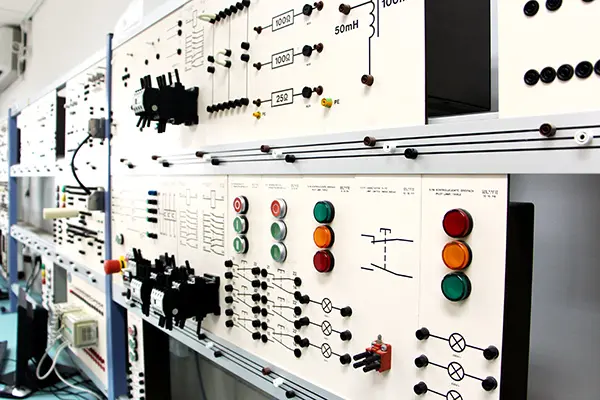 Motor Control Center MCC
 Data Center
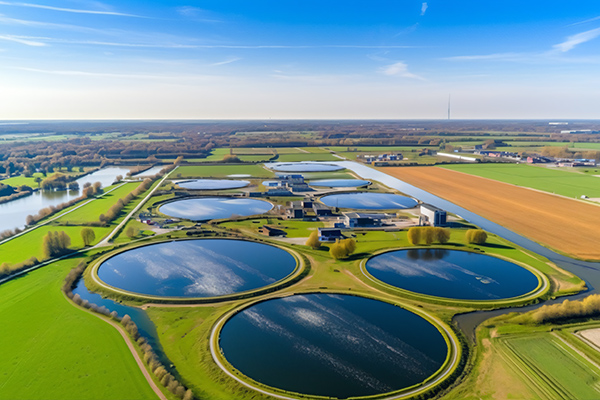 Environmental Industry
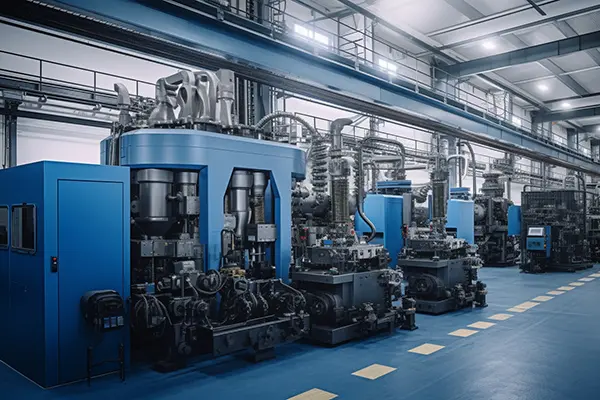 Industrial Machinery
 New Energy
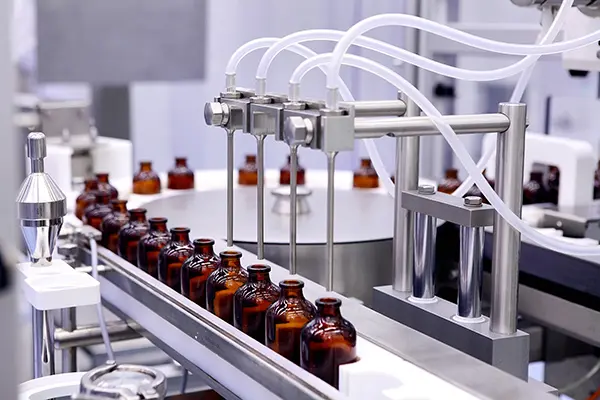 Pharmaceutical Manufacturing
 Petroleum & Chemical
 Marine & Offshore & Ship
 Food processing / agricultural production