Top 5 Tips for Choosing the Best Breaker Box for Your Needs?
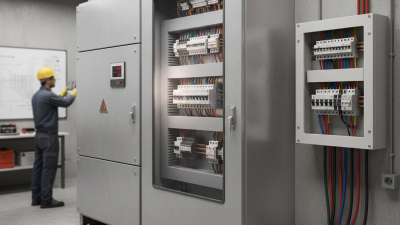
Choosing the right "Breaker Box" can be daunting. Electrical engineer John Smith emphasizes, “A well-chosen breaker box protects your home’s electrical system.” Breaker boxes, also known as electrical panels, are vital for safety and efficiency. They manage circuits and distribute electricity throughout your home.
Selecting a breaker box involves several factors, including size and amperage. Many homeowners overlook these aspects, which can lead to dangerous situations. Sizing issues might cause electrical overloads, while the wrong amperage can affect the performance of your systems.
Inadequate knowledge can result in poor choices. Research is crucial. Consulting with professionals can provide tailored advice for your needs. The right breaker box ensures safety and reliability, yet many still underestimate its importance. A thoughtful decision here protects your investments and loved ones.
Understanding the Purpose of a Breaker Box for Your Electrical System
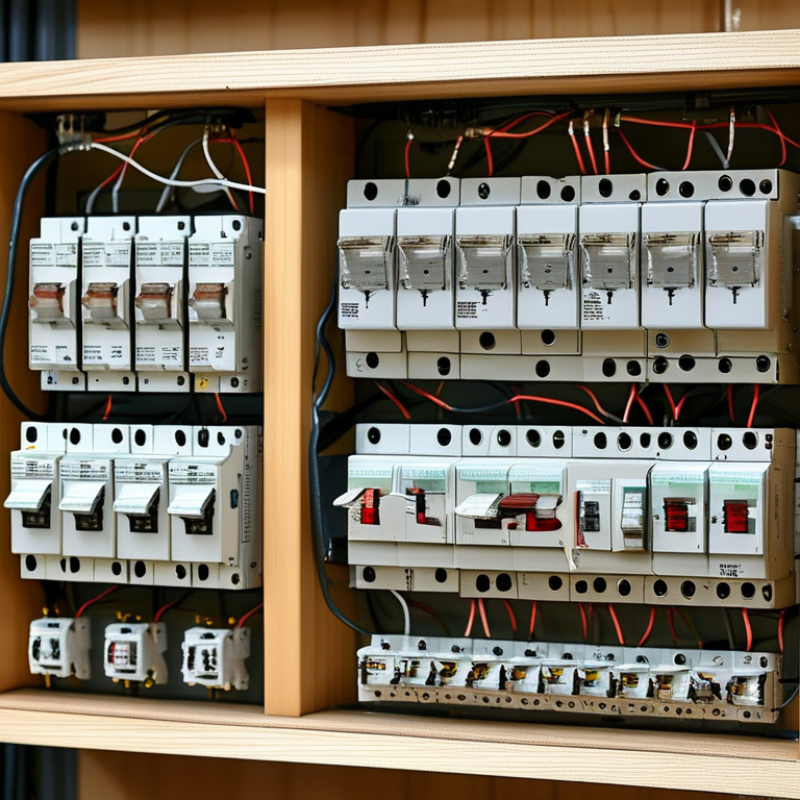
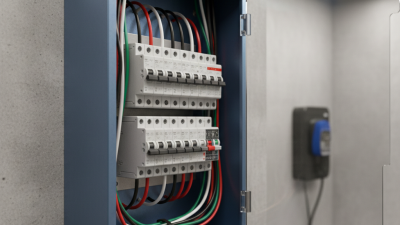
A breaker box, also known as a distribution board, plays a crucial role in any electrical system. It serves as the central hub where electricity is distributed to various circuits throughout a building. Understanding its purpose helps homeowners ensure safety and functionality. According to the National Fire Protection Association, many residential electrical fires occur due to faulty wiring or overloaded circuits. Thus, a reliable breaker box is vital for protecting your property.
When selecting a breaker box, consider the number of circuits you need. Your local building codes will often dictate this. The U.S. Energy Information Administration reports that homes built after 2006 typically require at least a 200-amp service. Calculating this can help avoid future upgrades.
Choosing a breaker box with a good safety rating is essential. Look for options that feature surge protection. They reduce the risk of damage during power spikes. Regular maintenance, like checking the connections and replacing faulty breakers, is key to prolonging the lifespan of the system.
Lastly, consult an electrical professional for specific advice tailored to your needs. They can help determine the best options based on your electrical load and requirements. Proper selection and maintenance of a breaker box can significantly enhance the safety of your home's electrical system.
Identifying Your Power Needs: How to Calculate Electrical Load Requirements
Calculating your electrical load requirements is essential before choosing a breaker box. Start by listing all your appliances and their wattage. Include lights, heating systems, and kitchen devices. You can find the wattage on the appliance label or in the owner's manual. This process can feel tedious, but it’s necessary for safety and efficiency.
Next, add the wattage of all your appliances. Be honest about usage; do you use them simultaneously? Calculate your peak demand by identifying which devices will run together. This will help in determining the right amperage for your breaker box. Sometimes, you may overlook smaller devices like chargers or power tools. Don’t underestimate their contribution.
After obtaining the total wattage, divide that number by the voltage of your system, usually 120 or 240 volts. This gives you the required amperage. It's common to miscalculate or overlook changes in energy consumption over time. Regular reassessment of your electrical needs ensures that your breaker box serves you efficiently. Consider future expansion, too; leave room for additional circuits if needed.
Key Features to Look for in a Breaker Box: Size, Capacity, and Type
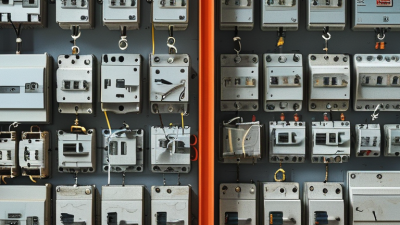
When selecting a breaker box, size is crucial. According to the National Electrical Manufacturers Association, the standard residential panel size is typically 100 to 200 amps. However, homes with extensive electrical loads, such as multiple HVAC units or large appliances, may require larger capacity panels. A smaller box might lead to overloads, risking equipment and safety. Space limitations in your home could also restrict size options.
Capacity is another vital feature. The estimated load calculations by the National Fire Protection Association highlight the importance of knowing your power needs. A breaker box should align with your home’s energy consumption patterns. Overloading can cause frequent tripping and eventual equipment failure. Ensure sufficient capacity for future expansions or additional circuits; this foresight can save you significant trouble later on.
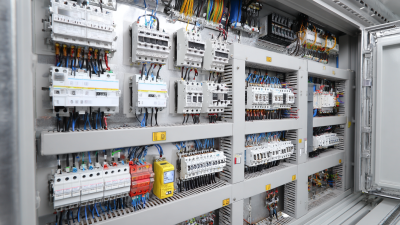
The type of breaker box matters, too. In newer homes, a smart breaker box could provide enhanced monitoring and control. However, such advanced features may not be necessary for every homeowner. Balancing the need for technology and the simplicity of operation is important. Consider what functionalities align with your lifestyle. Investing in the right type will enhance reliability, and secure your home’s electrical system.
Safety Standards and Certifications: Ensuring Quality and Compliance
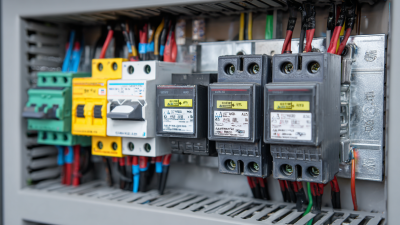
When choosing a breaker box, safety standards and certifications are crucial. These guidelines ensure your box meets specific safety criteria. Look for certifications from recognized organizations. This indicates that the product has undergone rigorous testing. It also reflects its reliability and durability.
Quality matters in electrical components. A breaker box that complies with safety standards protects your home from electrical hazards. It helps prevent overheating and reduces the risk of fire. Always check for labels or stickers indicating compliance. If the box lacks certification, it may not provide adequate protection.
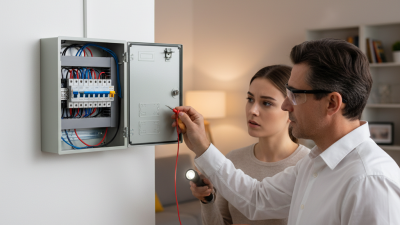
Consider the installation process as well. Some may overlook this, leading to potential risks. If you're unsure, consult a professional. They can guide you on the safest options for your needs. A well-informed choice can save you future headaches. Ensure that your breaker box choices prioritize safety and compliance for peace of mind.
Top 5 Tips for Choosing the Best Breaker Box for Your Needs
This chart illustrates the top factors to consider when choosing the best breaker box, with their importance ratings. Ensuring compliance with safety standards, checking the amp rating, evaluating the number of circuits, considering brand reputation, and managing cost are critical to making an informed decision.
Budget Considerations: Balancing Cost with Reliability and Features
When choosing a breaker box, budget plays a significant role. It's not just about picking the cheapest option. You need reliability, safety, and features. Some may opt for lower-priced models, but they often lack essential protections. This can lead to higher costs later. Finding a balance between price and quality is key.
Consider the long-term benefits of investing in a reliable breaker box. High-quality models often save money on repairs. They also provide better energy efficiency. It’s not always easy to gauge quality without personal experience or trust in resources. Always look for customer reviews. They offer insights that can guide your decision.
Installation costs can add to your budget. If you’re not handy, hiring a professional is wise. This may seem expensive initially, but it ensures safety and proper functioning. Cheap installations can lead to costly mistakes. Reliability is worth the initial expense. Evaluate your needs carefully. Are you upgrading old wiring? Or are you building new? Your requirements will shape your choice.
Top 5 Tips for Choosing the Best Breaker Box for Your Needs
| Tip |
Consideration |
Cost Range |
Reliability Rating |
Key Features |
| 1. Determine Your Power Needs |
Calculate total wattage |
$50 - $100 |
High |
Amperage options |
| 2. Assess Available Space |
Size of the installation area |
$40 - $90 |
Medium |
Space-saving designs |
| 3. Check Local Codes |
Compliance with regulations |
Free |
N/A |
Certification marks |
| 4. Evaluate Circuit Breaker Types |
Type of circuits required |
$30 - $70 |
High |
GFCI, AFCI options |
| 5. Compare Brand Reputation |
Reviews and testimonials |
$50 - $150 |
Very High |
Warranty and support |

 Intelligent Manufacturing / Industry 4.0
 Motor Control Center MCC
 Data Center
 Environmental Industry
 Industrial Machinery
 New Energy
 Pharmaceutical Manufacturing
 Petroleum & Chemical
 Marine & Offshore & Ship
 Food processing / agricultural production