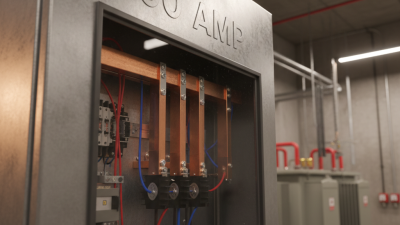
Top 10 Power Control Panel Tips for Global Buyers
In the ever-evolving landscape of electrical infrastructure, the role of the Power Control Panel is crucial. Global buyers face pressures from rising energy costs and the need for efficiency. According to a recent report by MarketsandMarkets, the global power control panel market is expected to reach USD 1.42 billion by 2025. This growth underscores the importance of understanding power control solutions.
Many organizations often overlook essential features in power control panels. Skimping on quality can lead to increased operational risks. A well-designed Power Control Panel can optimize energy distribution and enhance reliability. Reports indicate that poor power management results in a 30% increase in operational expenses. This fact should compel buyers to prioritize their selections.
Choosing the right Power Control Panel involves more than just cost considerations. Many manufacturers offer similar products, yet the key differentiators lie in features and compliance. Industry standards, such as IEC and NEMA, play a vital role in ensuring safety and performance. Buyers must navigate these complexities to make informed decisions.

Essential Features to Look for in Power Control Panels
When selecting power control panels, buyers should focus on essential features that ensure reliability and efficiency. According to a recent industry report, nearly 40% of power failures are attributed to inadequate control systems. This statistic emphasizes the need for robust control panels in various applications.
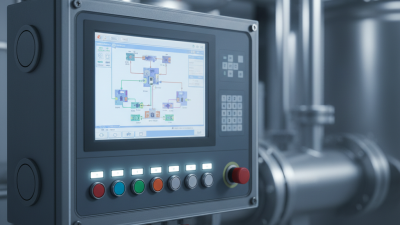
One key feature to consider is advanced monitoring capabilities. Panels equipped with real-time data tracking allow for preemptive maintenance. This can reduce downtime by up to 25%, as noted in research conducted by the Power Engineering Society. Tracking voltage, current, and power factor provides crucial insights.
Simplicity is equally important. Complex interfaces can lead to errors. Power control panels should maintain intuitive designs, ensuring easy operation for all users. While advanced features are vital, the panel's usability shouldn’t be compromised. Additionally, ensure that the panels meet appropriate safety standards to prevent accidents and enhance reliability. Data from safety compliance studies indicate that non-compliant systems have a higher failure rate, which can be detrimental to operations.
Investing time in understanding these critical elements will ultimately lead to informed purchasing decisions. Without a well-informed approach, organizations risk overspending on ineffective systems.
Understanding Different Types of Power Control Panels
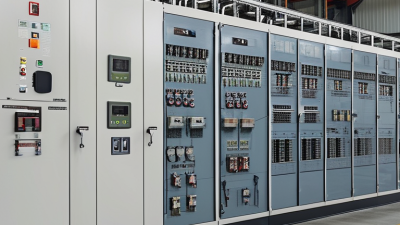
Power control panels are essential in various industries, impacting efficiency and safety. Understanding the different types of power control panels is crucial for global buyers. These panels can be broadly categorized into several types, including motor control centers, programmable logic controllers (PLCs), and distribution panels. Each type serves specific functions and applications, so it is vital to assess your needs before making a purchase.
When evaluating power control panels, consider the environment where they will be used. Some panels are designed for harsh conditions, while others are suitable for indoor applications. Always check the specifications for temperature, humidity, and dust resistance. This knowledge will help ensure that the panel you choose is reliable and effective for your specific conditions.
Additionally, understanding the compatibility of these panels with existing equipment is essential. Not all panels work seamlessly with every system. Conduct thorough research and consult experts to avoid potential mismatches. Not communicating with suppliers can lead to difficulties down the line. Investing time in this phase will yield better results.
Key Specifications for Evaluating Power Control Panel Performance
Evaluating the performance of power control panels involves several key specifications. First, consider the panel's voltage rating. A correctly rated voltage ensures compatibility with your power supply. Check the current rating as well. It determines how much power the panel can handle safely. An undersized panel might lead to failures or hazards.
Another crucial aspect is the panel's efficiency. An efficient panel minimizes energy loss. Look for specifications that detail energy consumption under various loads. Additionally, the operating temperature range affects reliability. Extreme conditions can lead to malfunctions if not properly rated. Understanding these specifications allows buyers to make informed decisions.
Installation requirements are also significant. Panels should fit seamlessly into existing systems. Verify the dimensions and mounting options. Lastly, assess the safety features. Protection against overloads and short circuits is vital. These factors collectively contribute to a power control panel's overall reliability and functionality.
Best Practices for Sourcing Power Control Panels Globally
When sourcing power control panels globally, certain best practices can enhance efficiency and reliability. Understanding the market dynamics is crucial. The global market for power control panels is projected to reach over $20 billion by 2025, highlighting the growing demand in various sectors. Buyers need to navigate this evolving landscape with informed strategies.
One key consideration is supplier evaluation. Buyers should assess potential manufacturers for certifications and compliance. A comprehensive review of their production processes ensures quality and safety standards. Another area to focus on is customization. Tailoring power control panels to specific needs can lead to better performance. However, excessive customization might lead to higher costs and longer lead times, which can be problematic.
It's beneficial to establish a clear communication channel. Effective communication helps in addressing technical requirements and timelines. Develop a detailed request for quotation to minimize misunderstandings. Adapting to feedback from suppliers can also create a cooperative atmosphere, fostering innovation and improvement in the sourcing process. Always remember that the quality of components directly impacts the end product. Lack of attention in this area could result in operational failures. Emphasizing reliability in every phase of sourcing is essential for long-term success.
Tips for Ensuring Compliance with International Standards
When sourcing power control panels for global markets, compliance with international standards is crucial. Understanding regulations can be complex. Different regions have unique requirements, such as safety standards and environmental impacts. Familiarity with these regulations can save time and resources later.
One effective approach is to conduct thorough research on relevant standards. Identify the main regulations applicable to your target markets. Engage with local experts to gain insights into specific compliance requirements. This will help you avoid potential pitfalls. Don’t rely solely on online information. Seek firsthand experiences to better understand nuances.
Another important factor is quality assurance. Implement solid quality control measures throughout the manufacturing process. Regular audits can help maintain compliance. Use certification bodies to validate your panels meet required standards. This not only ensures safety, but also enhances your credibility in the market. Be aware that variations in quality can lead to compliance issues. Consistency is key for long-term success.
Top 10 Power Control Panel Tips for Global Buyers - Tips for Ensuring Compliance with International Standards
| Tip Number |
Tip |
Description |
International Standards |
| 1 |
Understand Local Regulations |
Familiarize yourself with the electrical standards and regulations of the target country. |
IEC, ANSI |
| 2 |
Choose the Right Components |
Select components that are rated and certified for use in specific regions. |
UL, CE |
| 3 |
Conduct Risk Assessments |
Perform thorough risk assessments to identify potential safety hazards. |
ISO 31000 |
| 4 |
Test for Compliance |
Ensure testing for compliance with specified international standards is complete. |
IEC 61439 |
| 5 |
Documentation and Labels |
Maintain proper documentation and labeling for all components. |
IEC 60664 |
| 6 |
Select the Right Certifications |
Ensure components and panels are certified by recognized authorities. |
CB Scheme |
| 7 |
Plan for Future Upgrades |
Design panels with flexibility for future upgrades as standards change. |
N/A |
| 8 |
Involve Local Experts |
Engage experts familiar with local customs and practices in power panel design. |
N/A |
| 9 |
Implement Quality Control |
Establish strict quality control measures throughout the manufacturing process. |
ISO 9001 |
| 10 |
Stay Updated with Industry Trends |
Monitor and adapt to changes in standards and technologies. |
N/A |

 Intelligent Manufacturing / Industry 4.0
 Motor Control Center MCC
 Data Center
 Environmental Industry
 Industrial Machinery
 New Energy
 Pharmaceutical Manufacturing
 Petroleum & Chemical
 Marine & Offshore & Ship
 Food processing / agricultural production