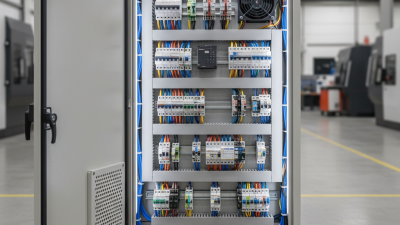
Top Features of PLC in Control Panel for Global Buyers?
In recent years, the demand for efficient automation solutions has surged. A report by MarketsandMarkets predicts that the global PLC market will grow from $7.73 billion in 2020 to $10.73 billion by 2025. This rising interest highlights the essential role of the PLC in control panel applications.
The PLC in control panel systems offers several key features that are vital for industries worldwide. These include enhanced reliability, scalability, and integration capabilities with other systems. Industrial operations are becoming more complex. Therefore, having a dependable control panel design that incorporates PLC technology can significantly boost performance and efficiency.
However, the process of selecting the right PLC can be daunting. Buyers must consider various factors, such as compatibility and ease of use. Research shows that an overwhelming 70% of decision-makers often feel uncertain about their choices. This reflects the importance of thorough guidance in understanding the functionalities and advantages of PLCs in control panels.

Understanding PLC Technology in Control Panels
Programmable Logic Controllers (PLCs) play a vital role in modern control panels. Their ability to automate and control industrial processes makes them indispensable in various sectors. Understanding PLC technology is essential for global buyers looking to enhance operational efficiency.
PLCs provide robust performance in controlling machinery and processes. They can handle complex tasks with high precision. The architecture of a PLC typically includes input/output modules, a processor, and a programming interface. This structure allows for real-time data processing and decision-making essential for efficient operations. Additionally, many PLCs offer flexibility with modular designs, enabling easy upgrades and expansions.
Tip: Always consider the specific requirements of your operation. Assess whether you need a compact PLC for smaller applications or a more sophisticated model for larger systems.
Moreover, the programming of PLCs is often user-friendly. Many systems utilize ladder logic, which is similar to electrical relay logic. This familiarity can reduce training time for operators. However, the choice of programming language can be a challenge. Some users may find complex coding difficult. It’s essential to weigh the pros and cons of available programming options and their usability.
Tip: Do not overlook the importance of proper training. Investing time in understanding PLC programming can lead to better utilization and fewer errors.
Key Functions of PLCs in Industrial Automation
Programmable Logic Controllers (PLCs) are vital in industrial automation. They act as the brain of control systems, aiding in the operation of machinery and processes. A key function of PLCs is their ability to gather and process data in real-time. This enables swift decision-making, essential for optimizing performance. By continuously monitoring equipment conditions, PLCs help in reducing downtime.
Another significant feature is their programmability. Users can customize PLCs to meet specific needs. This adaptability is crucial for diverse applications, from assembly lines to complex manufacturing systems. However, programming can be a double-edged sword. It allows flexibility, but the learning curve may pose challenges for some operators.
Communication capabilities are also noteworthy. PLCs can connect with various devices, creating a cohesive control network. This interconnectivity enhances efficiency but may introduce vulnerabilities. Cybersecurity becomes a concern, especially as industries rely heavily on interconnected systems. Thus, while PLCs contribute to automation, careful consideration is needed regarding their implementation and ongoing management.
Advantages of Using PLCs for Control Systems
PLCs, or Programmable Logic Controllers, are critical in modern control systems. Their ability to automate processes provides significant advantages across various industries. One key benefit is flexibility. PLCs can be easily programmed and reprogrammed. This allows operators to adapt to changing production needs without significant downtime.
Reliability stands out as another strong point of PLCs. They are designed to operate in challenging environments. This durability minimizes the risk of system failures. Moreover, PLCs enhance safety by providing real-time monitoring. Operators can identify issues swiftly, reducing the potential for accidents.
On the other hand, integrating PLCs isn't without challenges. Initial setup can be complex. Staff may require training to ensure effective use. This step is crucial for maximizing the benefits of PLC technology. Investing in education may seem daunting, but it leads to greater efficiency long-term. Balancing the learning curve with operational demands is an ongoing process in many organizations.
Top Features of PLC in Control Panel for Global Buyers
| Feature |
Description |
Advantages |
| Modularity |
PLCs can be configured with multiple modules for specific tasks. |
Flexibility in system design and easy upgrades. |
| Reliability |
Designed for harsh industrial environments with high uptime. |
Reduces maintenance costs and minimizes downtime. |
| User-Friendly Programming |
Supports ladder logic and other graphical programming languages. |
Eases the learning curve and accelerates development time. |
| Integration |
Can integrate with various sensors and control devices. |
Enhances system capabilities and communication between devices. |
| Remote Access |
Allows remote monitoring and control over the internet. |
Increases efficiency and reduces the need for on-site personnel. |
Comparative Analysis of PLC Brands for Global Markets
In the competitive landscape of control panel technologies, choosing the best Programmable Logic Controller (PLC) is crucial for efficiency. Global buyers face various options, each with unique features. Reliability and performance are non-negotiable aspects. A PLC that can withstand harsh environments is essential for many industries. Customers often look for systems with robust support, especially in remote areas.
Ease of integration is another key factor. Buyers compare how easily a PLC fits into existing systems. Some brands offer user-friendly interfaces. Visual programming tools can simplify complex automation tasks. However, not all systems provide comprehensive training resources. A lack of support can lead to operational hiccups.
Price is a critical consideration. Many buyers struggle to balance features with budget constraints. Cost-effective options may lack advanced functionality. Yet, sometimes, investing in a more expensive system can lead to long-term savings through increased efficiency. Buyers must reflect on their unique needs before making a choice. It is a challenge to navigate this market effectively.
Future Trends in PLC Technology for Control Panels
The future of PLC technology in control panels looks promising and dynamic. As industries embrace automation, PLCs are becoming more sophisticated. Their ability to integrate with IoT devices stands out. This integration allows for real-time data processing and enhanced monitoring.
Advancements in AI and machine learning are influencing PLC design. These technologies enable predictive maintenance, reducing downtime. Users can analyze patterns and make informed decisions. However, the learning curve can be steep, and training is essential for optimal use.
Cybersecurity concerns are also on the rise. As PLCs connect to networks, they become targets for attacks. Implementing robust security measures is crucial. While improvements are essential, companies should prioritize regular audits. Future innovations should focus on balancing functionality and security.

 Intelligent Manufacturing / Industry 4.0
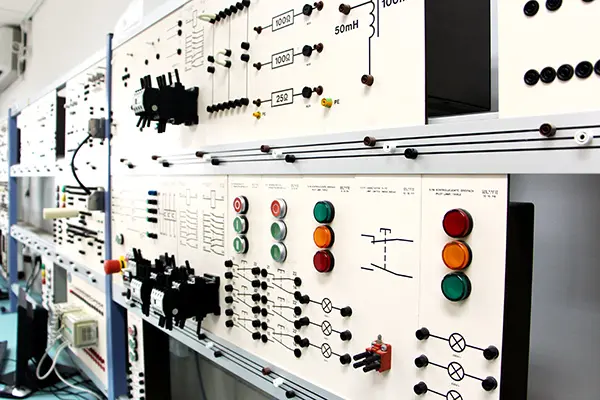 Motor Control Center MCC
 Data Center
 Environmental Industry
 Industrial Machinery
 New Energy
 Pharmaceutical Manufacturing
 Petroleum & Chemical
 Marine & Offshore & Ship
 Food processing / agricultural production