Top 10 Tips for Measuring Tank Accuracy and Efficiency?
In the world of industrial processes, measuring tank accuracy and efficiency are critical. One notable expert in this field is Dr. Emily Carter, a leading authority on tank measurement technologies. She once said, "Precision in tank measurements directly impacts operational efficiency." This highlights the importance of understanding how to measure tanks effectively.
Measuring tanks are used in various industries. Accurate measurements ensure proper inventory management and help avoid costly errors. Industries like oil, chemicals, and food production rely on precise tank measurements. However, achieving this accuracy can be challenging. Calibration, environmental factors, and equipment wear affect results.
Many facilities underestimate the need for regular assessments of their measuring tanks. Ignoring this can lead to inefficiencies. This article aims to offer ten actionable tips for enhancing measuring tank accuracy. These tips are practical and grounded in real-world applications. By following them, facilities can improve their measurement processes significantly.
Understanding the Importance of Tank Accuracy and Efficiency Measurements
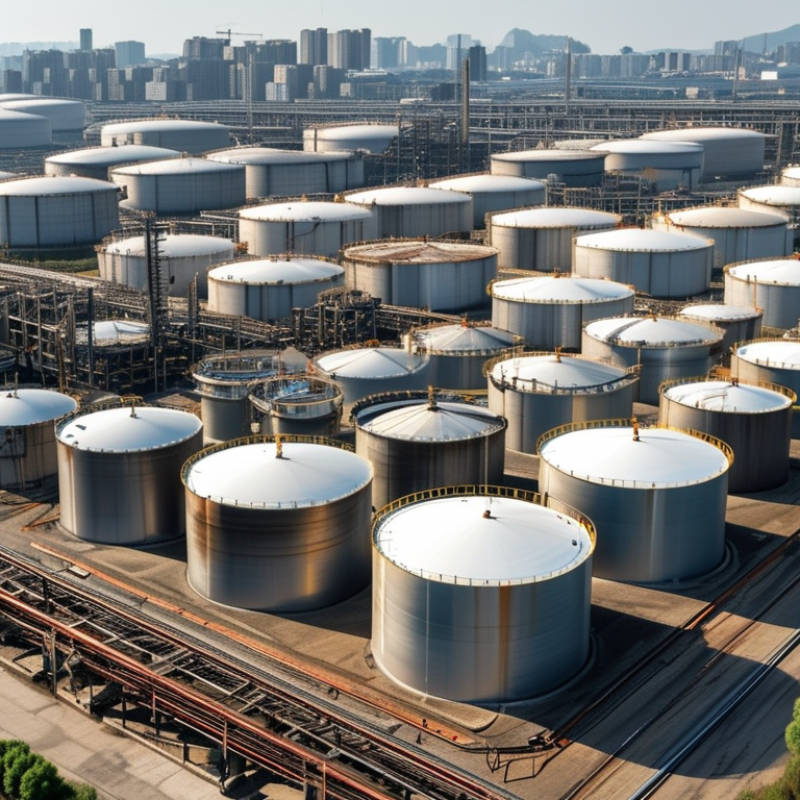
Tank accuracy and efficiency measurements are vital in various industries. Accurate measurements ensure optimal operations, reducing costs and waste. Efficiency measurements help identify areas needing improvement. Inaccurate readings can lead to increased operational costs and resource wastage.
Understanding the importance of tank measurements requires professional insight. For instance, organizations can implement sensors to gather real-time data. This data can reveal discrepancies in expected versus actual outputs. Using historical data for comparison is also beneficial. However, many organizations often overlook regular calibration, which can lead to significant errors.
A reflective approach can uncover hidden inefficiencies. Regularly reviewing measurement techniques may expose flaws. Engaging team members in discussions about measurement practices fosters a culture of continuous improvement. Ultimately, embracing both accuracy and efficiency in tank measurements promotes more sustainable practices.
Identifying Key Parameters for Tank Performance Assessment
When assessing tank performance, focusing on key parameters is crucial. One of the primary indicators is the level measurement accuracy. Ensuring that the sensor provides precise data can drastically influence operations. If the readings are consistently off, it leads to inventory discrepancies. Regular calibration and maintenance of these sensors are vital tasks. They can prevent costly errors and ensure operational efficiency.
Another critical parameter is flow measurement. Accurate flow rates directly impact inventory control and process efficiency. Fluctuations can indicate potential leaks or blockages. Investing in high-quality flow meters can improve measurement reliability. However, experiencing occasional inaccuracies may raise concerns about the system's overall health.
Temperature and pressure are also essential factors in tank performance. Variations can affect fluid densities, creating challenges for accurate volume calculations. Operators must monitor these parameters closely. Any overlooked anomalies can result in significant operational setbacks. Regular training and consistent updates on measurement trends can enhance awareness and improve response strategies.
Top 10 Tips for Measuring Tank Accuracy and Efficiency
| Parameter |
Measurement Method |
Importance |
Frequency of Measurement |
| Volume |
Ultrasonic Level Measurement |
Critical for capacity assessment |
Daily |
| Temperature |
Thermocouple Sensors |
Affects fluid density |
Hourly |
| Pressure |
Pressure Transmitters |
Indicates operational safety |
Every 6 hours |
| Fluid Density |
Hydrometers/Density Meters |
Impacts volumetric flow rate |
Weekly |
| Flow Rate |
Flow Meters |
Measures input/output efficiency |
Continuous |
| Calibration Checks |
Calibration Standards |
Ensures measurement reliability |
Monthly |
| Maintenance Logs |
Manual Inspection |
Tracks performance over time |
Ongoing |
| Safety Checks |
Safety Devices Test |
Prevents operational hazards |
Bi-Weekly |
| Data Logging |
Automated Data Capture |
Utilizes historic data for analysis |
Daily |
| Environmental Factors |
Weather Station Monitoring |
Impacts tank performance |
Hourly |
Implementing Calibration Techniques for Accurate Measurement
Calibration is a critical process that ensures tank measurement accuracy. Regular calibration helps minimize errors in volume measurements. Many factors can affect tank readings, including temperature and pressure fluctuations. By evaluating these variables, operators can maintain reliable data. Calibration techniques can involve using reference standards or test measurements to confirm the accuracy of gauges.
Implementing calibration techniques may not be straightforward. Some facilities may lack proper equipment or trained personnel. In such cases, seeking external expertise can be beneficial. It's essential to create a calibration schedule, ideally aligning it with operational hours. This helps reduce downtime while allowing for frequent checks. Simple adjustments may lead to significant improvements in measurement efficiency.
Moreover, documenting calibration results is as vital as performing them. Without proper documentation, it becomes challenging to track performance over time. Operators might overlook discrepancies in data if not recorded. Regular reviews of these records can uncover patterns, facilitating better decision-making. Calibration is not an isolated task but part of a broader quality management process.
Utilizing Technology for Enhanced Tank Measurement Precision
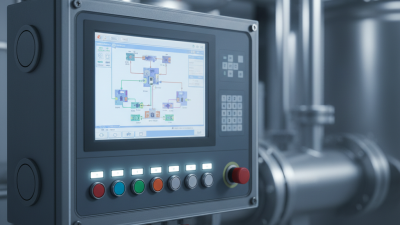
In the world of tank measurement, technology plays a crucial role. Advanced sensors and automated systems improve accuracy significantly. These tools help monitor tank conditions in real-time. Graphical interfaces make data easy to read. This leads to quicker decisions based on precise information. Integrating various technologies minimizes human error.
However, reliance on technology is not without risks. Technical glitches may lead to inaccurate measurements. It’s essential to regularly calibrate devices. Training staff on these systems ensures better handling of challenges. While technology enhances efficiency, human oversight remains vital.
Incorporating data analytics can further improve measurements. Analyzing historical data identifies patterns in tank performance. Predictive maintenance often prevents costly downtime. Nonetheless, it's crucial to periodically review these strategies. Technology should complement human expertise, not replace it. Continuous learning and adaptation will drive success in tank measurement accuracy.
Top 10 Tips for Measuring Tank Accuracy and Efficiency
Analyzing Data to Improve Efficiency and Operational Performance
Measuring tank accuracy and efficiency is crucial for improved operational performance. Analyzing data effectively leads to insights that can enhance efficiency. Gather data systematically from tank measurements. Ensure calibration of tools used for measurement. Even slight discrepancies can lead to major inefficiencies. Employ advanced analytics to track performance trends over time.
Engage with your team to interpret data collectively. Different perspectives can uncover hidden issues. Regularly review operational metrics to identify areas of improvement. This could highlight a consistent error in a specific tank or an external factor affecting measurements. Data integrity is paramount. Inconsistent or inaccurate data can result in flawed assumptions. Stay vigilant in maintenance routines.
Integration of innovative technology can enhance accuracy. For instance, using IoT devices provides real-time monitoring. However, bear in mind that technology alone won't solve all issues. Human analysis is essential to interpret complex data accurately. Encourage a culture of continuous learning and adaptation within your team. This will foster an environment where operational performance can thrive.

 Intelligent Manufacturing / Industry 4.0
 Motor Control Center MCC
 Data Center
 Environmental Industry
 Industrial Machinery
 New Energy
 Pharmaceutical Manufacturing
 Petroleum & Chemical
 Marine & Offshore & Ship
 Food processing / agricultural production