What is a Pcc Power Control Center and Its Benefits?
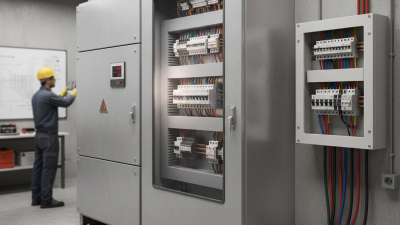
The Pcc Power Control Center is a critical component in modern electrical systems. It manages and distributes power efficiently. By centralizing control functions, it enhances overall system reliability. This system plays a significant role in optimizing energy consumption.
Incorporating a Pcc Power Control Center leads to various benefits for businesses and facilities. Users can monitor energy usage in real-time. This can result in cost savings and improved operational efficiency. Furthermore, the center allows for seamless integration of renewable energy sources.
However, implementing a Pcc Power Control Center is not without challenges. Initial setup costs can be high. Organizations must invest in adequate training for personnel. This ensures that the system operates effectively and safely. Overall, a well-integrated Pcc Power Control Center is invaluable for maximizing energy management and operational excellence.
What is a Power Control Center (PCC)?
A Power Control Center (PCC) is a vital component in modern electrical systems. It serves as the nerve center for managing power distribution and ensuring operational efficiency. With a PCC, companies can monitor energy usage closely. This results in reduced operational costs and better resource allocation.
One key benefit of a PCC is its ability to enhance reliability. Power interruptions can be costly. A well-designed PCC minimizes downtime by optimizing power flows and reducing overloads. However, the implementation of a PCC requires careful planning. Not all facilities need the same setup, and incorrect configurations can lead to inefficiencies.
The integration of technology plays a crucial role in a PCC's effectiveness. Advanced monitoring tools offer real-time data. This data helps to pinpoint issues before they escalate. Yet, companies must also remain vigilant about cybersecurity risks. As they enhance their control systems, there may be vulnerabilities that need addressing. Balancing technology and security will be an ongoing challenge for many organizations.
Key Components of a Power Control Center
A Power Control Center (PCC) plays a crucial role in managing electrical systems. Its main components include various devices and software used to monitor and control power distribution. Understanding these components helps in recognizing their significance in operational efficiency.
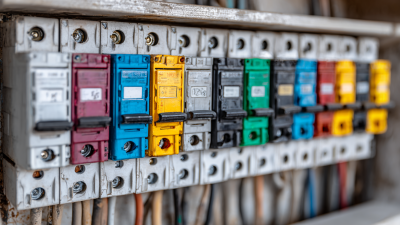
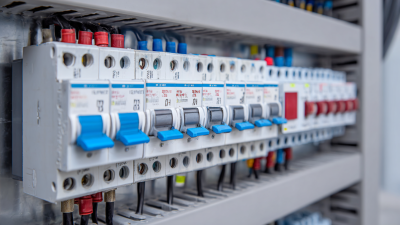
One key component is the power management system. This system offers real-time data on energy consumption. It identifies inefficiencies and potential faults in the system. Another critical element is the protective relays. These devices enhance safety by detecting overcurrent or short circuits. They automatically disconnect affected sections to prevent larger outages.
Communication devices are essential in a PCC as well. They facilitate data exchange between various components, ensuring seamless operations. Monitoring equipment plays a pivotal role in identifying abnormalities. However, it's essential to regularly assess the performance of these components. This reflection can reveal areas for improvement. Over time, advancements in technology will likely enhance these systems further. Continuous adaptation is necessary to meet emerging challenges effectively.
What is a Pcc Power Control Center and Its Benefits? - Key Components of a Power Control Center
| Component |
Description |
Benefits |
| Control Panels |
Centralized panels for monitoring and controlling electrical operations. |
Enhanced operator efficiency and reduced response times. |
| Transformers |
Devices that change voltage levels in power distribution. |
Improved adaptability to varying load conditions. |
| Busbars |
Conductive materials for distributing electrical power. |
Increased reliability and operational safety. |
| Protection Relays |
Devices that protect electrical components from faults. |
Minimized equipment damage and downtime. |
| Power Monitoring Systems |
Tools for tracking and analyzing power consumption. |
Enhanced decision-making for energy efficiency. |
| Connection Components |
Cables, connectors, and busbars used to link components. |
Improved connectivity and system efficiency. |
How PCC Enhances Energy Management and Efficiency
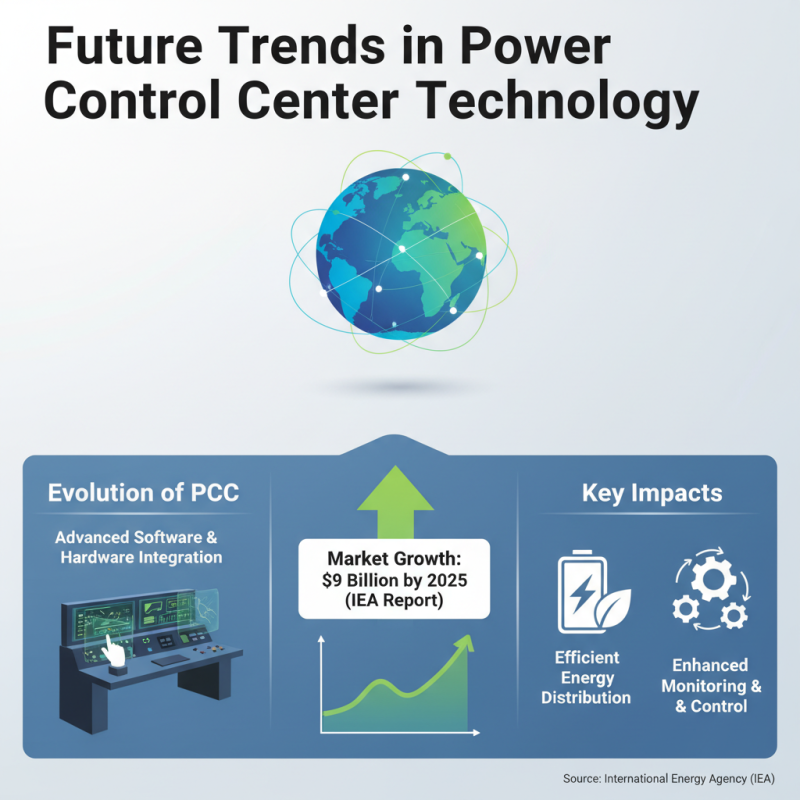
Power Control Centers (PCCs) play a crucial role in energy management and efficiency. These centralized systems monitor, control, and optimize power systems. According to the International Energy Agency (IEA), implementing PCCs can reduce energy losses by up to 20%. This is significant for industries aiming to improve operational performance.
By automating the energy management process, PCCs enhance real-time data collection. This allows for better decision-making. An analysis by the U.S. Department of Energy revealed that organizations using advanced PCCs can expect a 15% decrease in operational costs. However, the integration of such systems isn't without challenges. There can be issues related to cybersecurity and the need for proper training among staff.
Moreover, adopting PCC technology promotes sustainable practices. A report from the World Economic Forum highlights how energy-efficient systems can lower carbon footprints. While benefits are clear, companies must also reflect on the initial investment and ongoing maintenance costs. Balancing these factors is essential for long-term success.
Benefits of Implementing a PCC in Industrial Settings
A PCC, or Power Control Center, plays a pivotal role in industrial settings. It manages and distributes electrical power effectively. The implementation of a PCC brings numerous benefits to both efficiency and safety within a facility.
One significant advantage of a PCC is improved operational efficiency. It ensures a stable power supply. By monitoring power consumption patterns, industries can optimize their energy use. This leads to reduced operational costs and better resource management. Regular maintenance is needed to avoid potential downtimes.
**Tip:** Schedule periodic evaluations of your PCC. This can uncover any issues early.
Additionally, safety is paramount in industrial environments. A PCC integrates protective devices, reducing the risk of electrical hazards. It provides real-time monitoring for fault detection. This immediate response capability can prevent accidents and damage to equipment. Staff should be trained on the proper use of these systems.
**Tip:** Implement safety drills focusing on PCC operations. This can enhance staff preparedness.
Incorporating a PCC helps businesses stay competitive. Enhanced efficiency and safety are critical in today's industrial landscape. Reflect on the unique needs of your facility. Continuous evaluation can lead to better outcomes.
PCC Power Control Center Benefits in Industrial Settings

 Intelligent Manufacturing / Industry 4.0
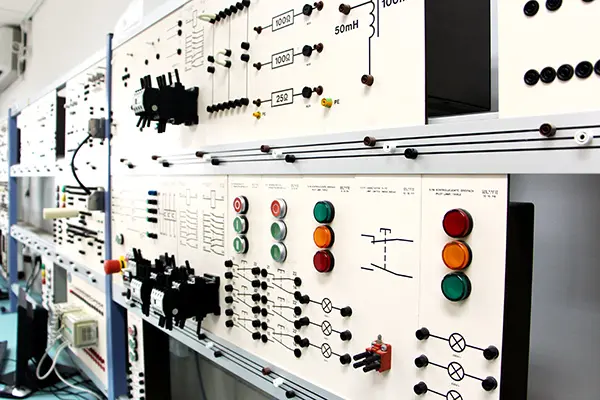 Motor Control Center MCC
 Data Center
 Environmental Industry
 Industrial Machinery
 New Energy
 Pharmaceutical Manufacturing
 Petroleum & Chemical
 Marine & Offshore & Ship
 Food processing / agricultural production