How to Choose the Right Power Control Panel for Your Needs?
Choosing the right Power Control Panel is crucial for efficient energy management. According to Thomas Elliot, a leading expert in the field, "A well-chosen Power Control Panel can enhance system reliability significantly." This statement emphasizes the importance of selecting the correct equipment for various applications.
When faced with multiple options, decision-makers often feel overwhelmed. The unique requirements of each facility or project may not always be clear. Understanding load capacities, control features, and compatibility with existing systems becomes vital. An informed choice can lead to improved safety and operational efficiency.
Moreover, it’s essential to consider the long-term implications of your choice. An inadequate panel may lead to costly outages or system failures. Reflecting on the specific needs of your operation will help avoid future challenges. Investing time in this decision can pay off in efficiency and safety.
Understanding the Basics of Power Control Panels
Understanding power control panels is crucial for efficient electrical management. These panels distribute power effectively, ensuring safety and functionality. According to a report by Research and Markets, the global market for power control panels is expected to reach $58 billion by 2026. This growth indicates the increasing reliance on advanced electrical systems across various industries.
When selecting a power control panel, assess your specific needs. Consider the voltage and current ratings required for your application. The National Electrical Manufacturers Association (NEMA) outlines that improper ratings can lead to equipment failure. Many companies overlook this detail, resulting in increased downtime and repair costs. Selecting the correct panel can prevent such issues.
Another essential factor is the panel's design. Different environments require different types of enclosures. For instance, panels in outdoor settings must withstand moisture and extreme temperatures. A study by the Electric Power Research Institute highlighted that nearly 30% of power failures stem from inadequate protection against environmental factors. Thus, evaluating both functionality and environment is critical for optimal performance.
How to Choose the Right Power Control Panel for Your Needs?
| Feature |
Description |
Importance |
| Voltage Rating |
Specifies the maximum voltage that the panel can handle. |
Critical for ensuring the panel is suitable for your application. |
| Current Rating |
Indicates the maximum current the panel can draw. |
Essential for preventing overload and ensuring operational safety. |
| Protection Features |
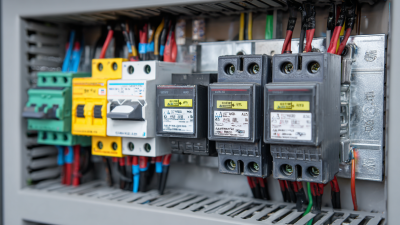
Includes circuit breakers, fuses, and surge protectors. |
Vital for protecting equipment and personnel from electrical faults. |
| Control Type |
Can be manual, automatic, or remote-controlled. |
Determines ease of use and operational flexibility. |
| Enclosure Type |
Refers to the type of protection against environmental factors. |
Important for outdoor vs. indoor applications and durability. |
| Size and Space Requirements |
Dimensions of the panel and space needed for installation. |
Crucial for fitting the panel into the intended location. |
Key Factors to Consider When Selecting a Power Control Panel
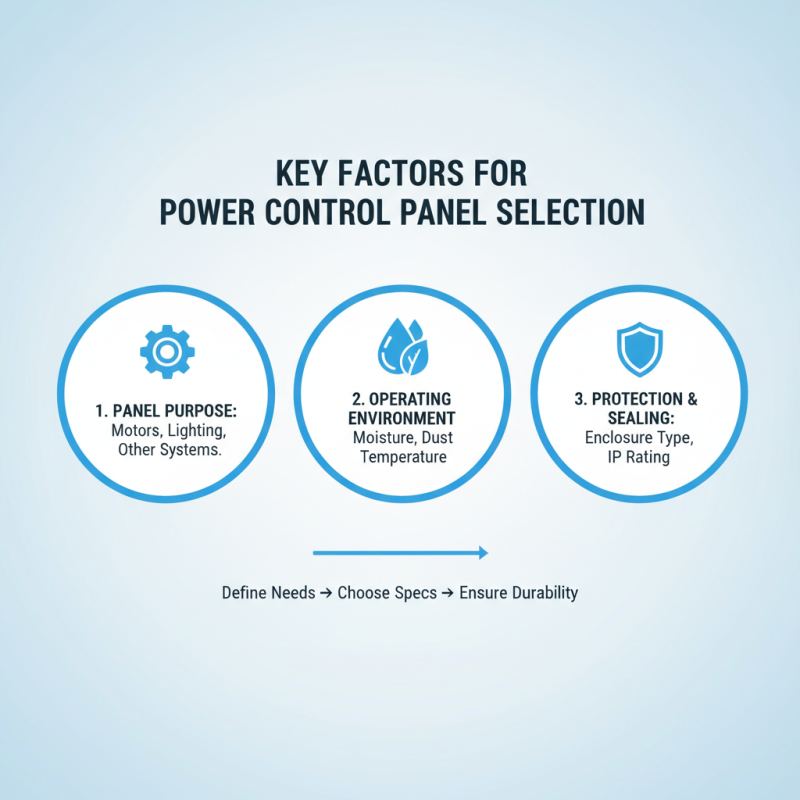
When selecting a power control panel, various factors need careful consideration. Start with the panel's purpose. Define whether it controls motors, lighting, or other systems. Each application requires different specifications. Consider the environment too. A panel exposed to moisture needs better sealing and protection.
Next, evaluate the capacity and load requirements. Understand the voltage and current ratings needed for your application. Overloading a panel may lead to safety issues or premature failure. Check the phased requirements as well. Single-phase and three-phase panels serve different functions.
Don’t overlook compliance with standards. Panels must meet safety codes and regulations relevant to your region. Researching local requirements can prevent future complications. Look into the manufacturer’s reputation too, as reliability is key for long-term use. Remember, quality often leads to less downtime and operational excellence. Making a well-informed decision takes time, but it pays off.
Types of Power Control Panels and Their Applications
Power control panels come in various types, each designed for specific applications. Understanding these types is crucial for making informed decisions. One common type is the automatic transfer switch (ATS) panel. This panel ensures a seamless power supply during outages. It detects power failure and switches to a backup source without user intervention. This reliability makes it suitable for hospitals and data centers, where uninterrupted power is essential.
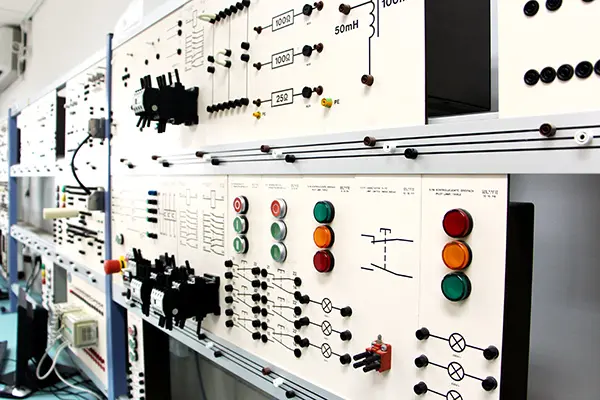
Another type is the motor control center (MCC). MCCs are designed to manage motors, providing control and protection. They often include overload relays and circuit breakers. This type is vital in manufacturing settings where heavy machinery operates. Ensuring proper motor control can increase efficiency and reduce downtime. However, selecting the right MCC may require careful planning and consideration.
Switchgear is also a significant component of power control panels. It connects and disconnects electrical equipment, providing safety and maintenance access. Understanding the load requirements is essential when choosing switchgear. Choosing incorrectly can lead to system failures. The right panel should fit evolving needs. This adaptability is often overlooked during initial selection. It’s worthwhile to reevaluate needs periodically, as applications may change over time.
Power Control Panels: Types and Applications
Evaluating Power Requirements and Load Calculations
When selecting a power control panel, evaluating power requirements and load calculations is crucial. The first step is to determine the total power demand of your system. Calculate the wattage of all connected devices. This measurement informs the panel’s capacity. Remember, it's essential to have a buffer. A 20% surplus can prevent overloads.
Next, consider the type of loads. Resistive loads, like heaters, behave differently compared to inductive loads, such as motors. Inductive loads typically require a higher starting current. Therefore, accurately assessing these characteristics can prevent costly equipment failures. It’s important to reflect on potential future expansions, too. Will your needs grow? You might want to opt for a panel with a higher rating if expansion is likely.
Another aspect is the environment where the panel will reside. High humidity or extreme temperatures can impact performance. Take into account these factors during your calculations. While it’s common to seek recommendations, remember that every project has unique requirements. Engage with professionals to gain insights, yet trust your own assessments too. Balancing expert advice with personal knowledge leads to better decisions.
Maintenance and Safety Considerations for Power Control Panels
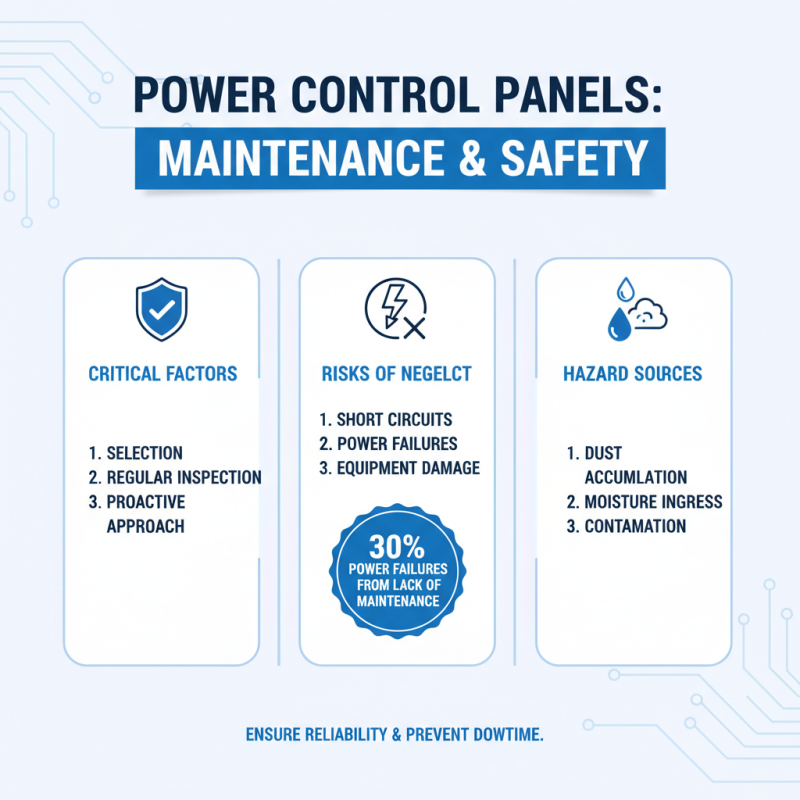
When selecting a power control panel, maintenance and safety are critical factors. Regular inspection is essential to ensure flawless operation. Reports indicate that 30% of power failures result from inadequate maintenance. This statistic highlights the importance of a proactive approach. Dust and moisture can accumulate inside panels, leading to short circuits and other hazards.
Safety protocols should be strictly enforced. A well-documented maintenance schedule can mitigate risks. Checking for loose connections and ensuring proper sealing are vital steps. According to industry experts, 25% of electrical injuries occur due to neglected equipment. Personnel should be trained to recognize warning signs.
It’s also important to consider environmental factors. High temperatures can strain components, while humidity can lead to corrosion. These conditions may not be immediately visible, but they significantly affect panel longevity. Using thermal imaging cameras for regular checks can identify issues before they escalate. Not all panels are equal; some are better suited for specific environments. Conducting a risk assessment can provide insights for optimal performance.

 Intelligent Manufacturing / Industry 4.0
 Motor Control Center MCC
 Data Center
 Environmental Industry
 Industrial Machinery
 New Energy
 Pharmaceutical Manufacturing
 Petroleum & Chemical
 Marine & Offshore & Ship
 Food processing / agricultural production