How to Choose the Right PCC Panel for Your Business Needs?
Choosing the right PCC Panel for your business needs is crucial. This decision impacts efficiency and security in operations. John Smith, a leading expert in electrical engineering, emphasizes, "The right PCC Panel can optimize your power distribution while ensuring safety."
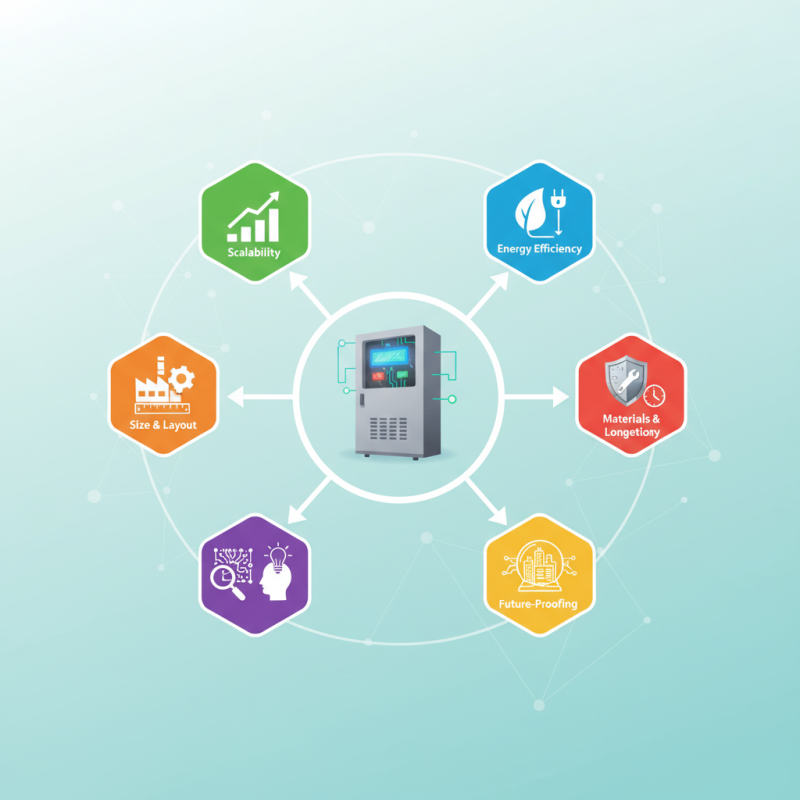
When selecting a PCC Panel, consider your specific requirements. Do you need scalability? How about energy efficiency? Size and layout are important factors. They can significantly affect installation and maintenance. A well-chosen panel streamlines processes and enhances productivity.
However, many overlook the details. For instance, the choice of materials can influence longevity. Additionally, understanding the panel's specifications can be daunting. Engaging with experts can provide clarity. Remember, the goal is not just to meet immediate needs but also to prepare for future challenges.
Understanding PCC Panels: A Comprehensive Overview
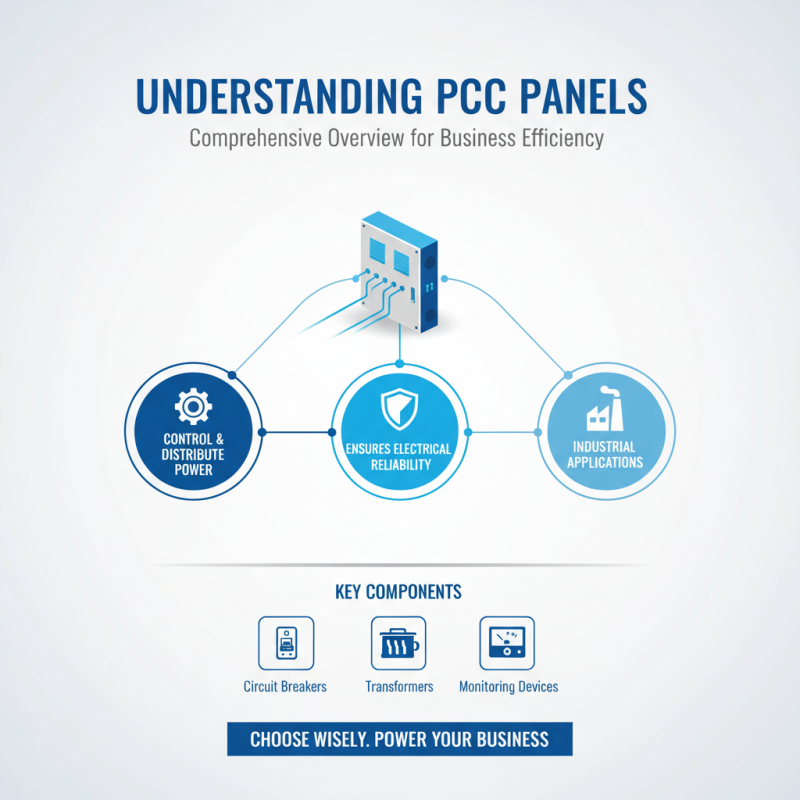
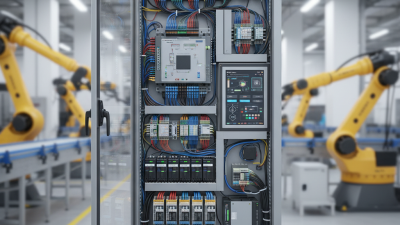
Choosing the right PCC (Power Control Center) panel is crucial for business efficiency. Understanding the components and functions of PCC panels can help meet specific requirements. These panels control and distribute electrical power, ensuring reliability in various industrial applications.
PCC panels consist of multiple components like circuit breakers, meters, and control switches. Each part plays a vital role in protecting equipment and optimizing power usage. The design of the panel should align with your facility's operational needs. Evaluate the load capacity, the number of circuits, and future expansion plans to make an informed decision.
**Tips**: Consider consulting with an electrical engineer who can provide insights into your unique power needs. Review documentation on safety standards and regulations to ensure compliance. Regular maintenance is essential to prevent unexpected failures. This reflects a proactive approach, demonstrating a commitment to operational excellence. Reflect on your current and future power demands to avoid unsatisfactory outcomes. The right PCC panel can enhance productivity and reduce downtime.
Key Factors to Consider When Selecting PCC Panels
When choosing a PCC panel for your business, understanding key factors is crucial. The panel’s specifications must match your operational needs. Voltage rating, current capacity, and protective devices are essential. Assess the environment where it will be installed. Harsh conditions might require more robust materials.
**Tip:** Always consult with an expert. They can provide insights tailored to your needs. They know the industry well and help avoid common pitfalls. Their advice can save costly mistakes.
Consider the scalability of the panel. Your business may grow and require more power over time. Choose a panel that allows for future upgrades. This can be a game changer. It reflects smart planning and foresight.
**Tip:** Think about maintenance too. A design that simplifies servicing can prevent downtime. You want reliable performance without frequent interruptions. Regular checks can identify potential issues early. This proactive approach enhances reliability.
How to Choose the Right PCC Panel for Your Business Needs? - Key Factors to Consider When Selecting PCC Panels
| Key Factors |
Description |
Importance (1-10) |
| Load Capacity |
Determine the maximum electrical load the PCC panel can handle based on your equipment needs. |
9 |
| Size and Dimensions |
Ensure the panel fits within your designated electrical room or installation area. |
7 |
| Type of Protection |
Consider the level of protection against dust, moisture, and other environmental factors. |
8 |
| Customization Options |
Check if custom layouts and configurations can be provided to meet specific operational needs. |
6 |
| Certifications and Standards |
Verify compliance with local and international electrical safety standards. |
9 |
| Budget Constraints |
Assess the total cost of ownership including installation and maintenance. |
7 |
| Supplier Reputation |
Research the reliability and service performance of manufacturers supplied panels. |
8 |
| Future Expansion |
Plan for additional load demands and scalability of the PCC panel. |
6 |
Different Types of PCC Panels and Their Applications
PCC panels, or Power Control Center panels, play a crucial role in industrial applications. They manage and control electrical power distribution in a facility. Choosing the right type of PCC panel can significantly impact operational efficiency and safety.
There are several types of PCC panels, each tailored for specific applications. For instance, low-voltage PCC panels are ideal for small to medium-scale applications. They ensure reliable power supply and protect against equipment damage. According to a recent industry report by MarketsandMarkets, the low-voltage panel market is projected to grow at a CAGR of 6.2% from 2023 to 2028. Conversely, medium-voltage panels serve larger facilities and are essential for processes like motor control and protection. They must be carefully designed to handle higher load requirements, ensuring minimal downtime and energy losses.
It’s essential to consider the environment when selecting a PCC panel. Factors such as temperature, humidity, and dust can affect panel performance. For example, a facility operating in a high-humidity zone might require corrosion-resistant materials. Many businesses overlook these details, leading to inefficient operations or safety hazards. Conducting a thorough site assessment can help identify these risks before panel installation.
Evaluating Costs and Budget for PCC Panel Solutions
When assessing PCC panel solutions, focusing on costs and budget is crucial. According to a recent industry report, businesses often spend 5-15% of their total operational budget on electrical systems. This range can vary based on specific needs and operational scale. Understanding where to allocate resources can enhance efficiency and reduce waste.
Evaluating component costs is essential. The average price of a PCC panel ranges from $2,500 to $10,000. Factors influencing this range include size, complexity, and customization. Regular maintenance can impact long-term costs as well. Some companies report spending over $1,000 annually on upkeep. Prioritizing quality can save expenses in the long run.
Keep in mind the potential for unexpected costs. Projects may stretch budgets due to unanticipated requirements or changes. One survey revealed that 30% of businesses exceed their initial budget due to unforeseen variables. Continuous communication with suppliers can mitigate this risk. By maintaining transparency, companies can avoid financial surprises. Proper planning can lead to better investment in PCC panel solutions tailored to meet specific business needs.
Future Trends in PCC Panel Technology and Business Needs
The landscape of PCC panel technology is rapidly evolving. According to a recent market analysis, the PCC panel market is expected to grow at a CAGR of 8.5% by 2025. This trend highlights the increasing demand for efficient and scalable solutions in various industries. Businesses are focusing on energy efficiency and sustainability, which creates a shift towards innovative PCC panel designs.
One of the significant trends is the integration of IoT technology in PCC panels. This allows for real-time monitoring and data analysis. A report by industry analysts suggests that 45% of companies are now prioritizing smart technologies as a part of their infrastructure. This shift can enhance operational efficiency and reduce downtime. However, implementing such technology may require upfront investment and expert knowledge, posing a challenge for smaller enterprises.
Another emerging trend is the emphasis on modular PCC panels. These panels allow businesses to customize their power distribution as per their needs. A survey indicated that 70% of engineers prefer modular solutions for their flexibility and ease of installation. Nevertheless, businesses must remain cautious, as over-customization can lead to complexities in maintenance and potential system failures. The need for a balance between customization and reliability is crucial in navigating the future of PCC panel technology.
PCC Panel Demand vs. Technology Trends (2023)

 Intelligent Manufacturing / Industry 4.0
 Motor Control Center MCC
 Data Center
 Environmental Industry
 Industrial Machinery
 New Energy
 Pharmaceutical Manufacturing
 Petroleum & Chemical
 Marine & Offshore & Ship
 Food processing / agricultural production