2026 Best Current Transformer Cabinet Options for Your Needs?
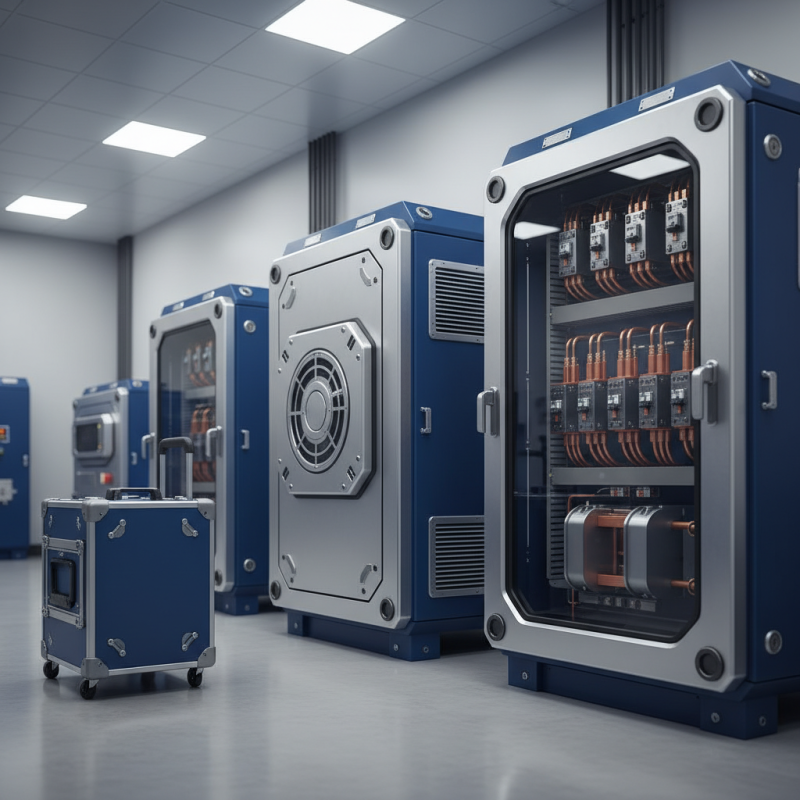
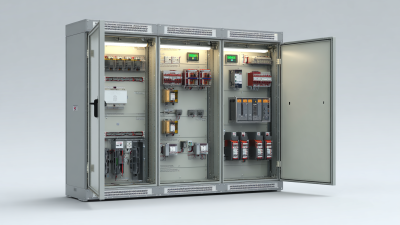
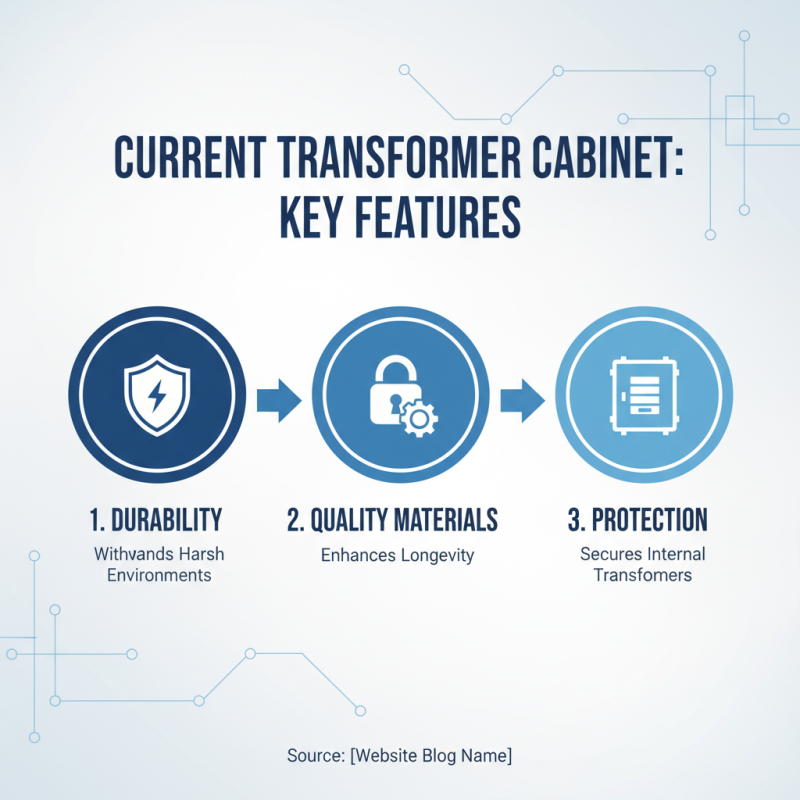
When it comes to electrical infrastructures, selecting the right Current Transformer Cabinet is crucial. These cabinets protect vital components. They house transformers and ensure optimal performance. A good cabinet can withstand harsh conditions.
As technology advances, manufacturers offer various options. Each model comes with unique features. Some focus on portability, while others emphasize durability. The choices can be overwhelming. You may find it challenging to identify what suits your needs.
Reflecting on your requirements is essential. Consider factors such as size, environment, and capacity. Each cabinet offers distinct advantages. Not all will meet your specific needs. It's important to make an informed choice to avoid future issues.
Overview of Current Transformer Cabinets and Their Importance
Current transformer cabinets play a vital role in electrical systems. They house current transformers (CTs), ensuring safety and reliability. Without proper protection, CTs can be exposed to environmental factors, leading to potential failures. According to industry reports, nearly 30% of transformer failures are attributed to inadequate housing and exposure to contaminants.
Choosing the right cabinet is essential. Consider factors like size, material, and environmental conditions. Metal cabinets provide excellent durability. However, they can corrode if not coated properly. Plastic options resist corrosion but may not withstand extreme temperatures. A well-designed cabinet should allow for easy maintenance and access.
Tips: Ensure proper ventilation in your cabinet design. A lack of airflow can lead to overheating. Also, regularly inspect your cabinet for signs of wear. Even the best options require maintenance to function properly. Remember, the right cabinet enhances the longevity of your transformer system.
2026 Best Current Transformer Cabinet Options Overview
Top Brands in the Current Transformer Cabinet Market for 2026
The current transformer cabinet market is evolving rapidly. Research shows that the market is projected to exceed $1 billion by 2026, fueled by increased demand in renewable energy applications. Many manufacturers are competing to provide innovative and reliable solutions for diverse needs.
Tips: Always consider your project’s requirements before choosing a cabinet. Size and compatibility are crucial. Sometimes, budget constraints can lead to compromise, which may affect performance.
Another factor is material selection. High-quality materials enhance durability and can withstand harsh environments. Recent data indicates that cabinets made from stainless steel have a lower chance of corrosion. This durability may save users long-term maintenance costs.
Tips: Avoid overlooking installation and service needs. A well-designed cabinet can simplify maintenance, while a poor choice can lead to future headaches. Always think about access for technicians. Make sure your current transformer cabinet fits your operational requirements and locations.
Comparative Analysis of Cost and Performance for Different Cabinets
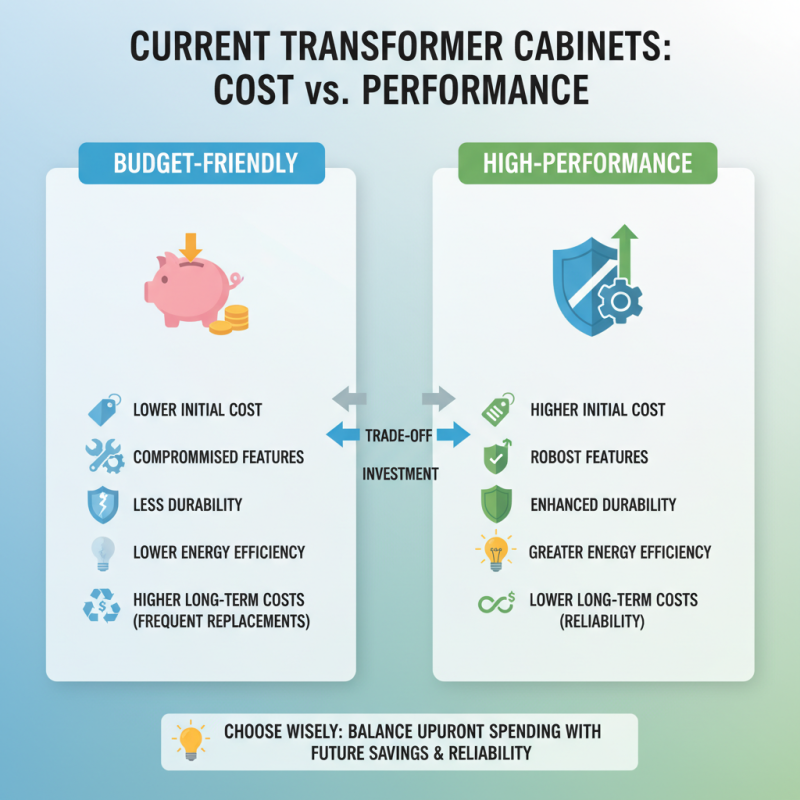
When selecting a current transformer cabinet, cost and performance are crucial factors. Various options are available, but not all meet the same standards. Budget-friendly cabinets often compromise on certain features. They may lack durability or energy efficiency. This trade-off can lead to increased long-term costs due to frequent replacements.
Performance is another key aspect. High-performance cabinets can handle extreme conditions better. They might offer superior insulation and protection. However, these come at a higher initial cost. A careful analysis of your needs is essential. Sometimes, choosing a mid-range cabinet offers a balance between cost and performance.
Reflecting on specific requirements helps in decision-making. Think about the environment where the cabinet will be installed. Consider factors like temperature fluctuations and humidity. The right cabinet should withstand these challenges. It’s wise to assess not only the price tag but also the long-term reliability. Remember, investing in quality today can save you headaches in the future.
Installation and Maintenance Tips for Current Transformer Cabinets
When considering the installation of a current transformer cabinet, proper planning is crucial. A stable foundation is essential for any equipment. Ensure that the cabinet is positioned on level ground to avoid imbalances. Additionally, make sure there's adequate spacing around the cabinet for airflow. Overcrowding can lead to overheating and equipment failure. It's important to check for any potential obstructions that might interfere with the cabinet's function.
Maintenance is another critical aspect to consider. Regular inspections can help identify issues before they become severe. Look for signs of wear, corrosion, or loose connections. Cleaning the cabinet periodically enhances longevity. Dust accumulation can impact performance and safety. Sometimes, it’s necessary to replace aging components, which can be an oversight in many setups. Keeping detailed records of maintenance is also beneficial for tracking performance over time. A proactive approach can prevent costly repairs later.
2026 Best Current Transformer Cabinet Options for Your Needs
| Cabinet Model |
Dimensions (mm) |
Weight (kg) |
Material |
Temperature Range (°C) |
IP Rating |
Maintenance Tips |
| Model A |
600 x 400 x 300 |
25 |
Steel |
-20 to 60 |
IP65 |
Regularly check seals and joints for wear. |
| Model B |
800 x 500 x 400 |
30 |
Aluminum |
-10 to 50 |
IP54 |
Ensure proper grounding and ventilation. |
| Model C |
700 x 450 x 350 |
28 |
Polyester |
-20 to 70 |
IP66 |
Perform annual inspections for moisture accumulation. |
| Model D |
500 x 300 x 250 |
20 |
Stainless Steel |
-10 to 60 |
IP68 |
Clean periodically to avoid corrosion. |

 Intelligent Manufacturing / Industry 4.0
 Motor Control Center MCC
 Data Center
 Environmental Industry
 Industrial Machinery
 New Energy
 Pharmaceutical Manufacturing
 Petroleum & Chemical
 Marine & Offshore & Ship
 Food processing / agricultural production